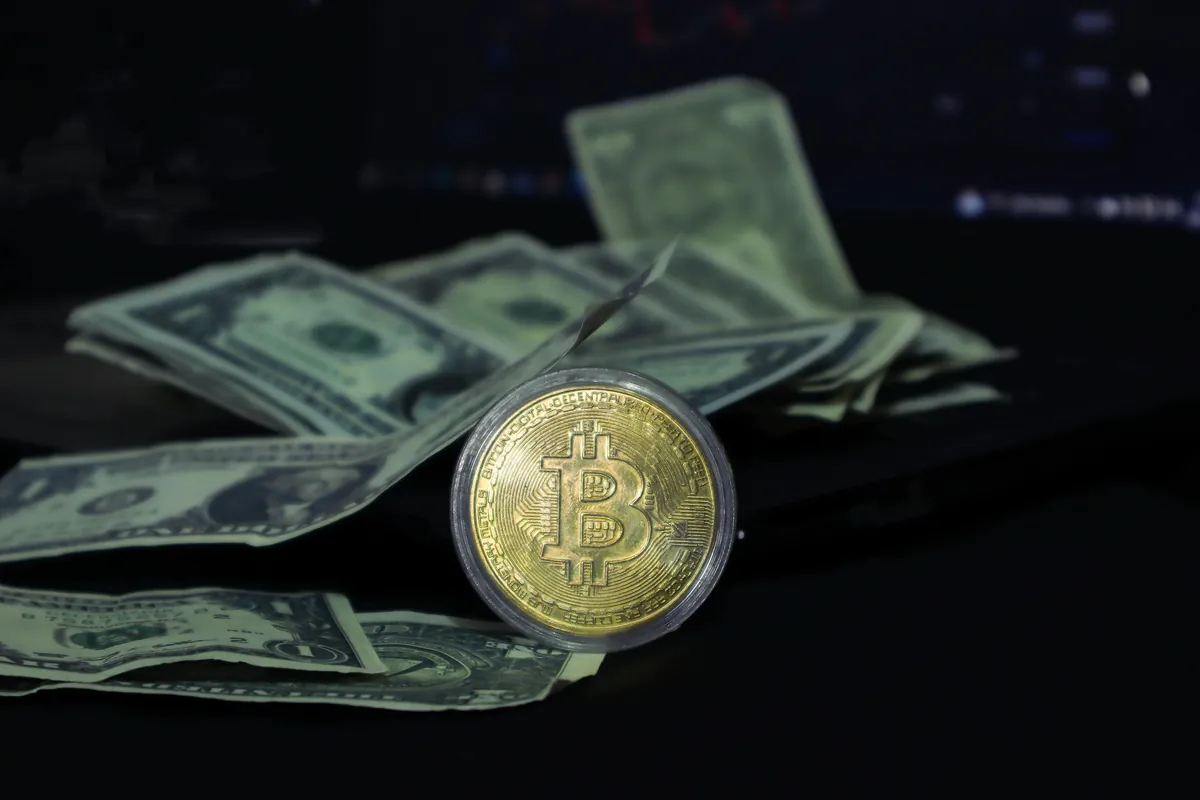
The world economy never stands still. As globalization deepens and new challenges emerge, staying updated on world economy news has become more critical than ever. Whether you’re an investor, policymaker, or simply someone curious about how economic shifts affect your daily life, understanding current trends is essential.
From inflation concerns and shifting trade alliances to technological innovation and geopolitical tensions, today’s economic environment is complex and fast-moving. This article dives into the key factors shaping the global economy in 2024 and what they mean for businesses and individuals worldwide.
The State of the Global Economy in 2024
After several years marked by pandemic disruptions, supply chain upheavals, and geopolitical uncertainties, the world economy in 2024 is cautiously navigating a path toward recovery and stability. Central banks around the globe continue to balance inflation control with growth stimulus, creating an intricate backdrop for financial markets.
Inflation and Interest Rates: A Delicate Balance
Inflation has been a headline issue, with many countries experiencing price increases far above their target levels. Governments and central banks, particularly in the US and Europe, have responded with a series of interest rate hikes designed to temper inflation. However, these measures risk slowing down economic growth if not calibrated carefully. Understanding the Typical Interest Rate of an Online Savings Account in 2024
Investors and businesses are watching these policies closely, as higher borrowing costs can affect everything from consumer spending to corporate investment plans. The latest world economy news shows that some emerging markets face additional pressure due to capital flight and currency volatility linked to rate changes in developed economies.
Global Trade and Supply Chains: New Patterns Emerging
Trade relationships are evolving as countries reassess their dependence on certain partners. The impact of trade disputes and efforts to diversify supply chains continues to shape global commerce. For instance, the growing impetus to bring production closer to home, often called “nearshoring,” is reshaping international trade flows.
World economy news also highlights ongoing negotiations in trade blocs like the CPTPP and the African Continental Free Trade Area (AfCFTA), which aim to unlock new growth potential across regions. These developments underscore how trade is both a driver and a reflector of broader economic shifts.
Technological Innovation: Fueling Economic Transformation
Technology remains a key engine of growth in the world economy. Advancements in artificial intelligence, renewable energy, and digital infrastructure are not only opening new economic frontiers but also disrupting traditional industries.
AI and Automation: Changing the Workforce Landscape
AI adoption is accelerating across sectors, from manufacturing to financial services. While automation promises increased efficiency and lower costs, it also raises questions about job displacement and the need for reskilling workers. Countries investing heavily in education and technology infrastructure are likely to gain a competitive advantage in this new economic landscape.
Green Economy Initiatives
The push for sustainability is driving substantial investment in green technologies, including solar power, electric vehicles, and carbon capture. These initiatives are becoming central to both national strategies and corporate agendas, supporting a transition that could redefine global energy markets.
World economy news frequently highlights how green investments are not only protecting the environment but also creating new jobs and growth opportunities. This shift is attracting interest from investors focused on long-term, socially responsible portfolios. Wikipedia
Geopolitical Tensions and Their Economic Impact
Political uncertainties continue to cast shadows across the global economic landscape. Conflicts, sanctions, and diplomatic standoffs affect commodity prices, trade routes, and investment decisions worldwide.
Russia-Ukraine Conflict and Energy Security
The ongoing conflict in Eastern Europe remains a significant factor affecting energy supplies, especially in Europe. Disruptions in natural gas and oil deliveries have led to higher prices and accelerated efforts to diversify energy sources, further highlighting the importance of energy security in economic planning.
US-China Relations: Trade and Technology Rivalry
The strategic competition between the US and China continues to shape global economic policies. Trade tariffs, technology restrictions, and efforts to secure supply chains for critical materials are central to this rivalry. Businesses must stay alert to regulatory changes and shifting market access as the situation evolves.
What Does All This Mean for You?
Understanding the latest world economy news is vital for making informed decisions. Whether you are managing a business, investing in the markets, or planning personal finances, the global economic environment influences opportunities and risks.
Adapting to inflation trends, leveraging technological advances, and navigating geopolitical risks are crucial strategies. Staying informed allows individuals and organizations to anticipate changes and respond proactively rather than reactively.
FAQ
Why is following world economy news important?
Keeping up with world economy news helps you understand how global trends affect markets, job prospects, and investments. It provides insight into policy changes and economic shifts that can impact your financial decisions.
How do inflation and interest rates affect the economy?
Inflation represents rising prices, which can erode purchasing power. Central banks use interest rate adjustments to control inflation—higher rates generally cool demand but may slow growth, while lower rates aim to stimulate spending and investment.
What role does technology play in the global economy?
Technology drives productivity improvements and creates new industries, changing how goods and services are produced and delivered. Innovations like AI and green energy are shaping future economic growth and job markets.
How do geopolitical events influence economic conditions?
Political conflicts, trade disputes, and sanctions can disrupt supply chains, increase uncertainty, and lead to market volatility. Such events often affect commodity prices and investment flows globally.
Can individuals benefit from understanding these economic trends?
Yes. Being aware of economic trends helps individuals make smarter decisions about saving, investing, and career planning. It also enables better risk management in an interconnected global economy. Why Nvidia Stock Is Down: Understanding the Recent Decline